Work on the windscreen
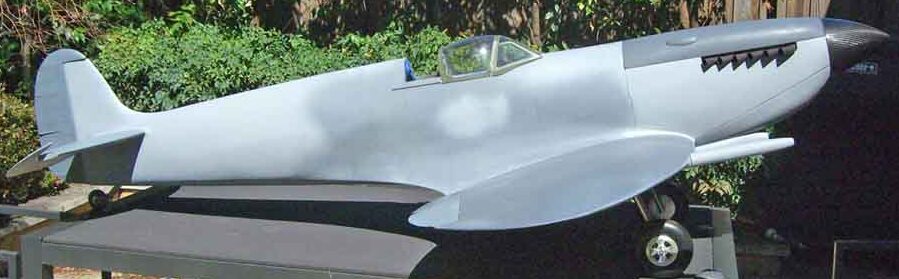
I had used the supplied Mick Reeves vinyl cutouts to finish the frame of the windscreen. I painted them and stuck them on. This was OK, but not very realistic looking. Others have made complete new fibreglass windscreen structures, but that would have taken ages. I decided to replicate the metal framework of the screen with strips of proskin fibreglass sheet. This was easy to work and easy to stick on with epoxy and plenty of clamps.
I then added lots of screws and rivet detail from the MR vinyl sheets, then masked and painted it. My hard work was almost destroyed when the spray can of primer started to splatter over everything. I was able to rub down the worst of the lumpy bits, then top coated with airbrushed acrylic.


I also reworked the fixed rear canopy. The supplied one doesn’t look too bad, but it overlaps the fuselage at the rear unlike the full-size aircraft where the glazing is flush with the fuselage.
I decided to use some clear polycarbonate I had. It was a bit thick, but I heated it with a heat gun and curved the top part to the radius of the fuselage. I added a strip of proskin at the rear slid between the rear former and the fuselage skin to support the rear of the glazing.
I added proskin strips all round to simulate the metal framing and screwed it all down with MR tiny screws. Before the final fitting I added some scale detail behind the seat – the black voltage regulator (made from balsa) and the seat belt and the prominent buckle (cut from aluminium). It’s not super-accurate scale but gives a good impression when seen through the glazing.


